 |
| Is there a business model in there? |
In the meantime, there's no sign that Washington DC will ease up on the "accomodative" money-printing presses that are feeding "QE Infinity." That's no problem, though, because Europe is reminding us that once the paper currency is undermined, selling gold is a handy way to quell grumpy voters and prop up the welfare state.
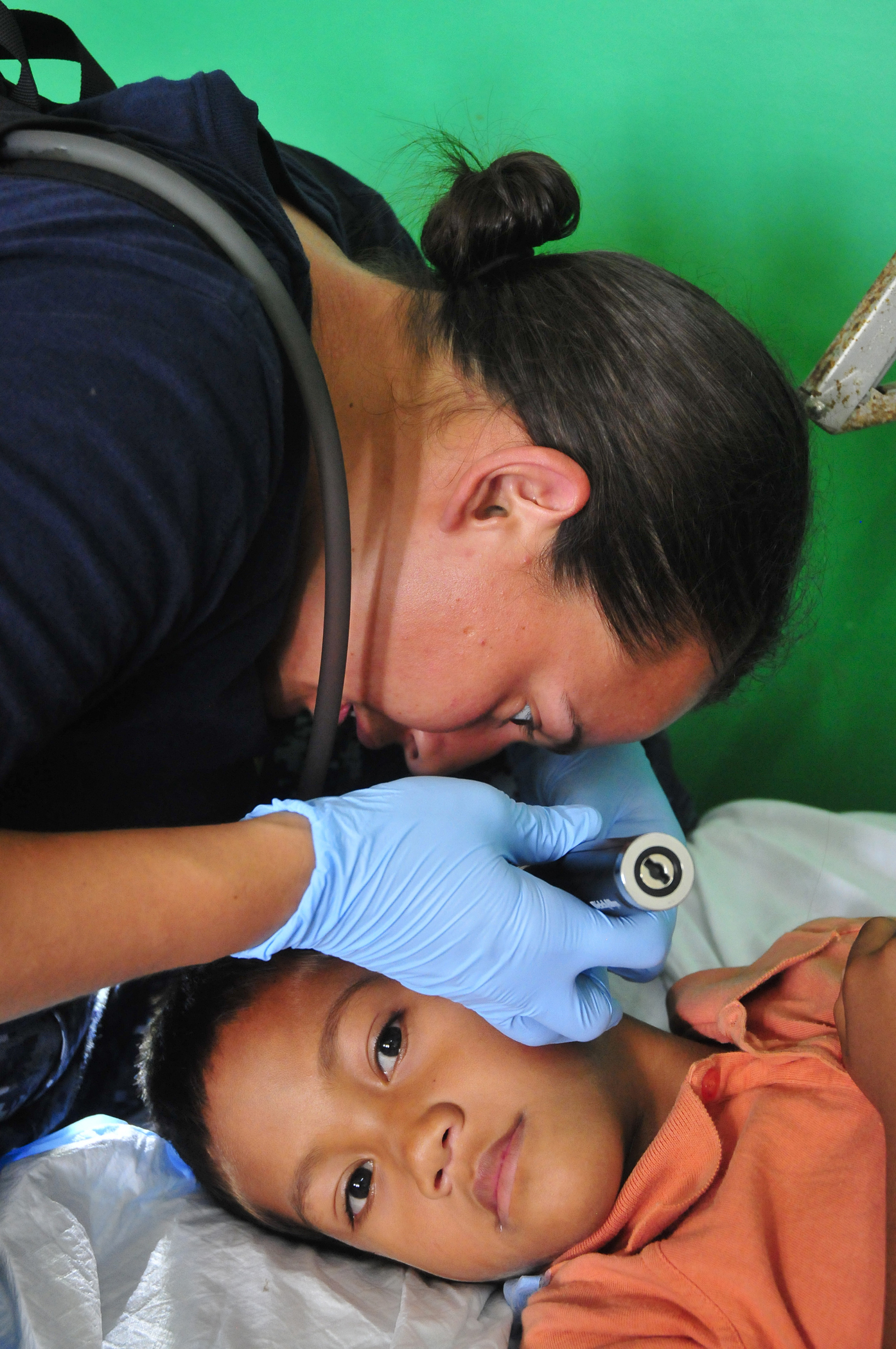
Yet, Clayton Christensen tells us a fix is at hand: much of health care's quality and costs travails, he says, can be solved by embracing the disruptive innovation of non-physician treatment of acute and chronic conditions. His supporters are undoubtedly cheering Walgreens' recent decision to to have its 330 Take Care Clinics add hypertension, diabetes, high cholesterol and asthma care to its portfolio of nurse practitioner services.
After reading the usual retail clinic policy tomes both for ("access to care") and against ("health care balkanization" plus "missed diagnoses"), the Disease Management Care Blog isn't convinced that Walgreens' decision is such a slam dunk.
That's because these clinics' business proposition is less about innovation and more about being a loss leader that increases retail pharmacy foot-traffic. In fact, offering free retail clinic services has been tried. The premise is that the retail customer-patients will stop by the pharmacy window for new drugs and, while they're at it, renew those other high margin prescriptions. If they pick up some diapers and nail polish while making their way to the front of the store, all the better.
While that certainly sounds good, retail clinics are not a build-it-and-they-will-come cash machine. Recall that CVS had to pull the plug on its retail clinics several years ago. Foot traffic didn't materialize and the supposed loss leader turned into a money pit.
The good news for Walgreens is that they have Jeffrey Kang in their corner. Prior to this, he led health insurer CIGNA's disease management initiatives. He undoubtedly understands retail, population-based outcomes and care coordination. If anyone can pull this off, he can.
The DMCB's conclusions?
It won't be easy. While Walgreens' we-accept-all-insurance plans-VISA-Mastercard-and-American Express foray into primary care might work, it could also fail. Large health care systems use their primary care providers to feed their high margin and still-profitable specialty care services. On the other side, small physician-owned practices are learning that hustling, high service standards, attention to overhead, accurate billing, patient mix and ancillaries can be profitable. Walgreens has neither. It remains to be seen whether this publicly owned company's bottom line will be aided by salaried NPs chasing pharmaceuticals' narrowing margins.
Speaking of margins, the DMCB wonders if Walgreens will use its clinics to steer patients toward favored formularies or aid rebate and market share agreements. Could they also use and eventually monetize the Big Data like Target to further the company's business interests? If any one knows, please contact the DMCB.
Commoditization? The DMCB thinks so and it's not alone. Over time, the professionals staffing these clinics may find primary care is more complex and that they and their patients deserve better.
Ease of Exit? For who? Given that this is ultimately a business, it would be corporate malfeasance if Walgreens didn't have an exit strategy. Unfortunately, one company's exit could be another patient's abandonment. That's a real risk for the patients who come to count on Walgreens for their longitudinal care.
Patient Centered Medical Home Threat... or Friend? The DMCB doesn't think so. If the medical home offers the value that its advocates say, savvy health care consumers will be able to vote with their feet. If the PCMH falters, it won't be because of Walgreens; in fact, the threat of competition may