
Leaderboard
728x15
Showing posts with label economic bubble industry trends. Show all posts

A Medical Education Bubble Portends Lower Health Care Cost Inflation?

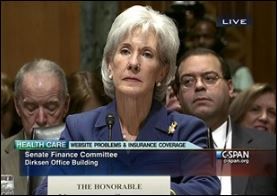
The Disease Management Care Blog spent part of its day in front of its internet enabled World Headquarters' computer screens. As a result, it was able to tune into todays dreary Sebelius Senate Finance Committee testimony.

It wish it hadn't. Between the spin, gotcha's and speechifying, it's obvious that the political rancor is here to stay. And in the end, it makes little difference who is "wrong" or "right" about Presidential reinterpretations of the history about "keeping your plan" or some regulation about "grandfathering." What is more disconcerting is how the partisan divide is gumming up the gears of a well-intentioned if flawed piece of legislation that is now hitting one fifth of the U.S. economy.

Which makes this New England Journal article on the possibility of a "medical education bubble" so timely. According to David Asch et al, "bubbles" occur when a product (in this case the training to be a practicing physician) far outstrips the underlying economic demand (i.e., physician services). Based on this chart that trends medical educational debt to income, student debt has gone up, while future income potential is stalling. In other words, there is a growing disconnect between what physicians can charge patients and what medical schools are charging their students.

The DMCB was not surprised at the rising cost of medical school and financial sacrifices necessary to do a residency, but it was less aware of how slowing health care costs are playing out in our nation's medical schools.

The good news is that this bubble is another indication of slowing health care inflation.

Most agree that the individual insurance market was broken, Medicare's expenses remain ultimately unsustainable and Obamacare will continue a long-established trend of making consumers assume a greater share of health care costs thanks to significant out-of-pocket expenses. The bubble phenomenon suggests we may be getting a handle on that.

Bad for medical schools, but good for the country - especially since the tenor of today's hearing suggest Congress is unlikely to come up with any new solutions in the near term.

The MIddle Class Bubble and the Long Term Implications for Care Management & Health Care

According to this 2011 article in The Atlantic, the middle class is in trouble.  The Disease Management Care Blog agrees and wonders if they are ultimately doomed. Either way, there are important implications for health care in general and the care management industry in particular.

The amateur DMCB explains.

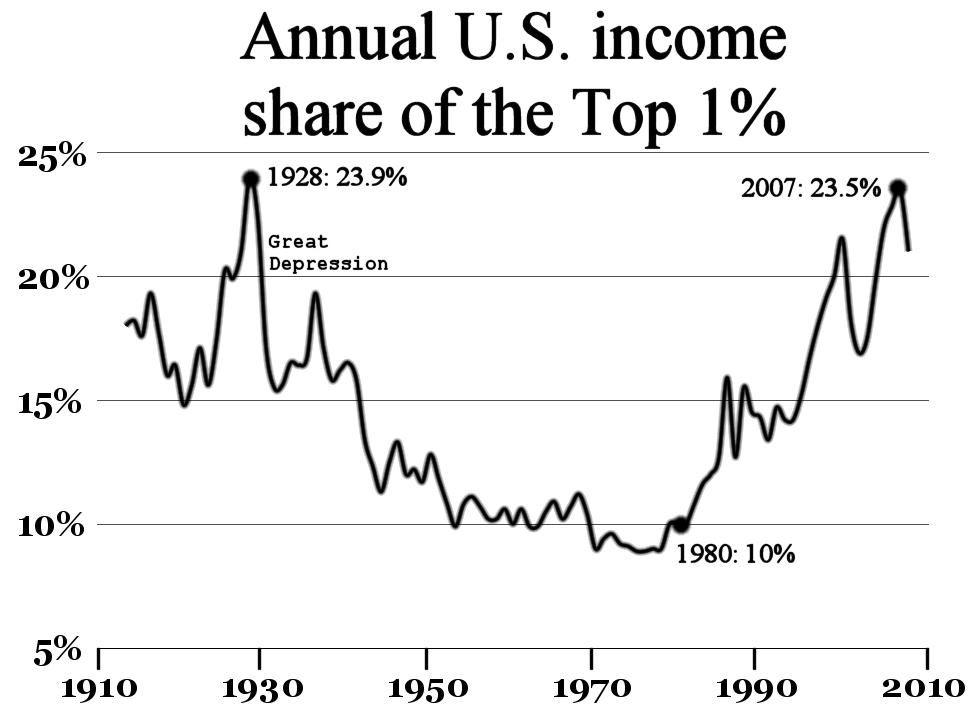
With the advent of the Gilded Age in the 1870s, the industrial revolution ushered in more than a century of heavy industry, railroads, mining, commercial farming and manufacturing that were powered by millions of skilled and unskilled workers. Wealth and power remained concentrated in an elite 1% plutocracy that had prevailed throughout most of human history, but a newly emergent "middle class" benefited from high wages and became an accepted part of the American political and cultural landscape.  Thanks to their labor, the quality of goods and services increased while simultaneously becoming cheaper.

While the middle class was in retreat at the turn of the millennium, The Great Recession suggests that their century-long party may be truly over. Global competition with the free movement of labor and capital combined with automation have made the costs of industry even cheaper. The plutocracy that has always been there can shrug off the effects of a recession, but the intrinsic value of traditional labor has popped, bubble fashion

In the last decade, persons in the nominal middle class with less than $90,000 a year in income have had flat wages and have been unable to increase their spending. Since 2000, American manufacturing - which has not only lost ground to China but become more mechanized - has lost about a third of its jobs. This has played itself out in geographic terms, where the elite hubs around Washington DC, San Francisco and Boston have high wage job listings, while cities like Detroit and Miami have been in the dumpster. In other words, much of the middle class is being hollowed out and being forced to downjob into personal services, retail and food preparation - while leading lives that are at risk for financial stress, partner conflicts, single parenting and troubled children.

In the meantime, the DMCB suspects that the "fat cat" billionaires so reviled by progressives are not any more numerous or fantastically wealthy.  The DMCB thinks that they're only more visible.  It remains to be seen if government will be successful in moving wealth from that top 1% to the struggling 99%.  History suggests otherwise.

Long term implications for the health and care management industry:

Health care will sort into 1) high end, high touch, personalized care for a small elite that can not only afford it, but will be responsible for profitable top line revenue and 2) a strained publicly underfunded system with thin margins for the rest.  Care management providers will likewise sort into these two camps.  The first involves high margin value, the second involves low margin volume.  Given the disparate business models, it's unlikely that single companies will be able to do both.

While universal access to affordable health insurance remains a bipartisan goal, high out-of-pocket costs combined with limited provider access for persons outside of the 1% will increase the popularity of cheap "DIY" care involving eHealth. This is a natural fit for the care management industry.

Lacking factory work, more workers than anticipated may be available as the U.S. population ages and the demand for personal health care attendants increases.

Classic health care "knowledge workers" may not be immune, since information tech and automation may enable machines to generate a differential diagnosis and read an x-ray, while cheap and highly trained remote labor may be able to deply robotics to perform routine surgeries.  For the care management industry, an on-line script that prompts a nominally-trained health educator may be able to replace nurse care managers.

Image from Wikipedia
Leaderboard